
Hokum

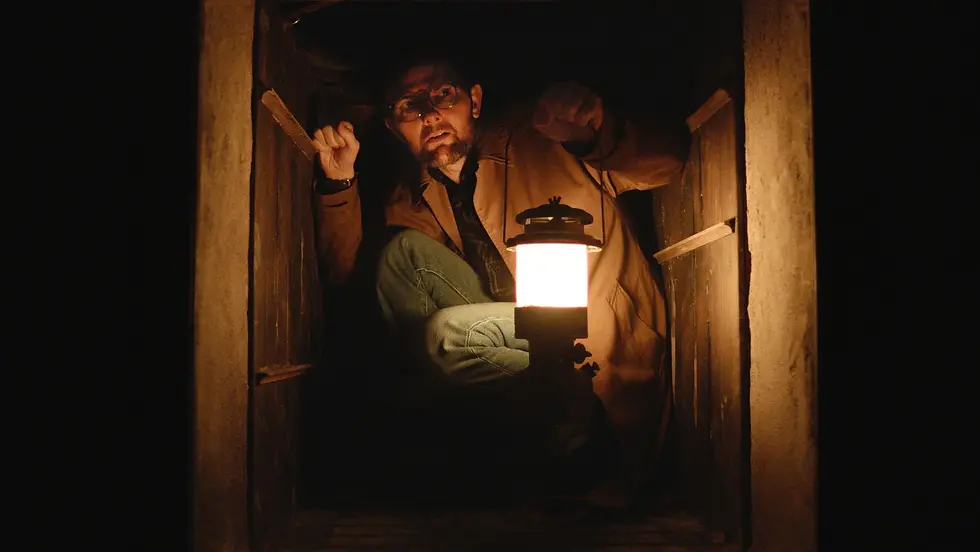
Hokum has layers. Driven by mystery, its plot distills into a concise conflict. The drama revolves around a traumatic backstory that informs the protagonist's flawed cynicism. This leads to themes of isolation, self-hatred, processing the past, and surrendering to the unknown. While it doesn't perfectly weave into its external narrative, the internal arc is earned. Its supernatural elements serve as allegories. There's minimal dialogue (showing, not telling), fitting humor, symbols, foreshadowing, and a bookend. Despite being somewhat understated, the acting ranges from serious vulnerability to playful charisma. Thus, Hokum constructs a straightforward yet intelligent story.
Technically, Hokum's unsettling atmosphere and lonely tone foster true tension. Though a bit drab, the imagery combines lighting with spacing for emotional significance plus maximized scares. Its editing has strong momentum, well-timed suspense, and stylistic touches. Creepy offscreens, subjective emphasis, motifs, and (varied but overused) stings heighten the soundscape. Macabre vocalizations define its soundtrack. The production design's dingy setting is a major presence (literally as well as metaphorically). Adam Scott's moderate fame anchors the cast. Its most notable effects are the impactful uses of makeup throughout. Overall, Hokum comes together as a well-rounded film.
Writing: 8/10
Direction: 8/10
Cinematography: 7/10
Acting: 7/10
Editing: 8/10
Sound: 8/10
Score/Soundtrack: 8/10
Production Design: 8/10
Casting: 6/10
Effects: 7/10
Overall Score: 7.5/10


Comments